Rhetoric and Architecture
- Project: Rhetoric and Architecture
- Volume: The Oxford Handbook of Rhetorical Studies
- Editor: Michael MacDonald, Andrew McMurry
- Publisher: Oxford University Press
- Location: Oxford
- Year: 2015 (online), 2016 (print)
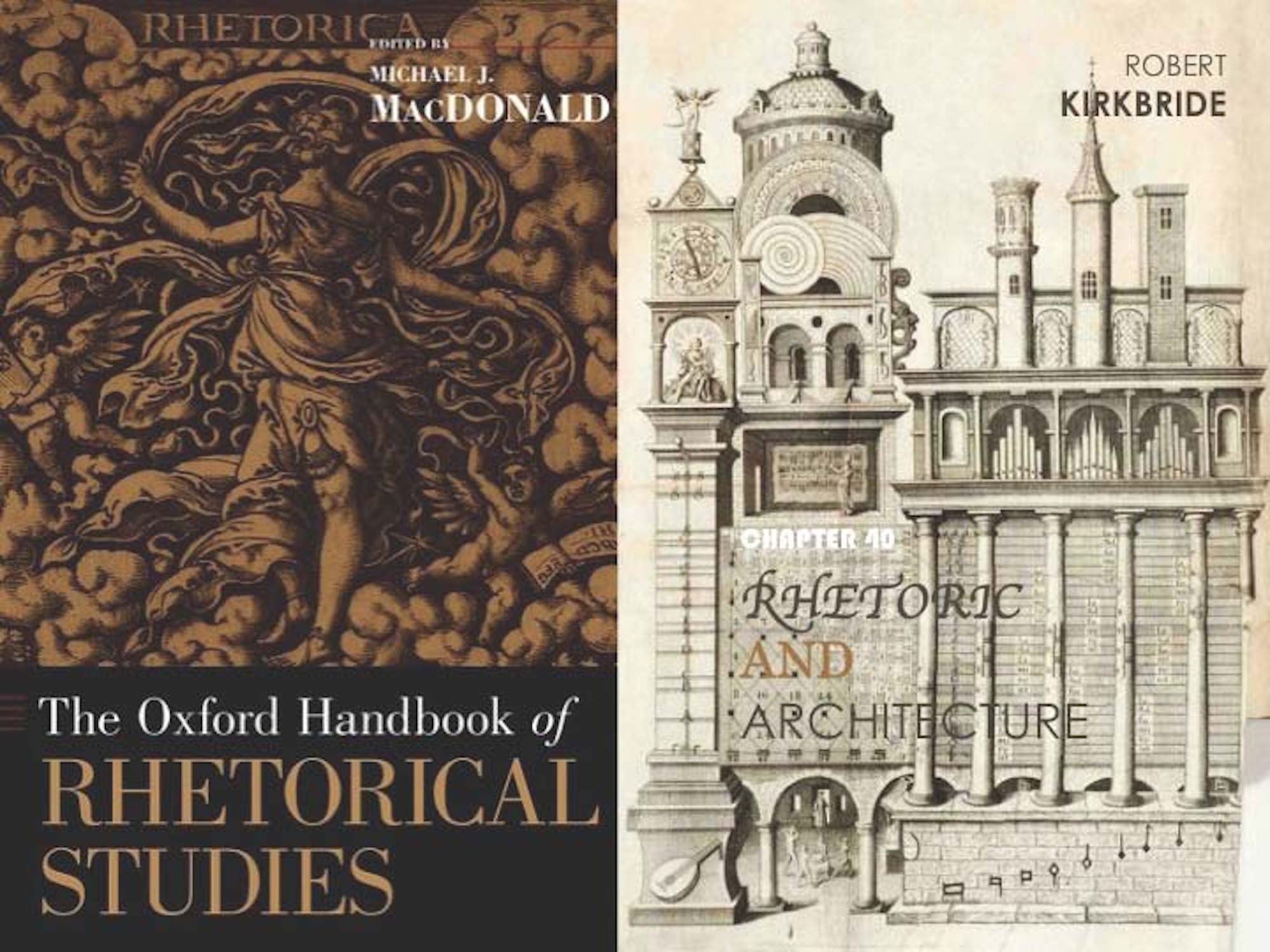
For at least two and a half millennia, architecture and its ornament has offered perches for the birds of thought, informing personal and cultural identity by equipping the mind with figurative structures and placeholders for memory. During the European Renaissance, architecture furnished an expanding range of rhetorical performance, private and public, by practices inlaid in pedagogy and the fabric of everyday experience. Commissioned for the Oxford Handbook of Rhetorical Studies (online and in print), this chapter touches on pedagogical, professional, and poetic convergences of architecture and rhetoric in the Renaissance, and their joint contributions to shifting perceptions of truth and methods of inquiry.
Print version released September 20, 2017
The Oxford Handbook of Rhetorical Studies offers:
- First comprehensive overview of the theory and practice of rhetoric across the disciplines from antiquity to the twentieth century
- Sixty commissioned chapters by worldwide leading experts, as well as coverage of more than thirty academic disciplines and cultural fields
- Thorough introduction, timeline of key works, and glossary of Greek and Latin terms serve readers of all levels
“Rhetoric and Architecture,” The Oxford Handbook of Rhetorical Studies, eds. M. MacDonald, A. McMurry (Oxford University Press, 2015)
Obtain (Oxford University Press) Obtain (Amazon)Featured In
2019

NOTES AND RECORDS: THE ROYAL SOCIETY JOURNAL OF THE HISTORY OF SCIENCE
- “Brian Cox and the New Enlightenment,” Tina Skouen, Notes and Records
- doi:10.1098/rsnr.2019.0002
- June 12
2016
ACTA Historiae
- “From Precept to Regulation of Renaissance Household: Leon Battista Alberti’s ‘Della Famiglia’ and Anonymous’ Ordine et Officij de Casa de lo Illustrissimo Signor Duca D’Urbino,”
- Angelina Milosavljevic-Ault, ACTA Historiae 35(1):8-17. Belgrade: Scientific Society for the History of Health Culture
- December
-

Culobocca
Design -

PreservationWorks
Interplay -

Always Becoming
Interplay -
Morbid Anatomy Museum
Design -
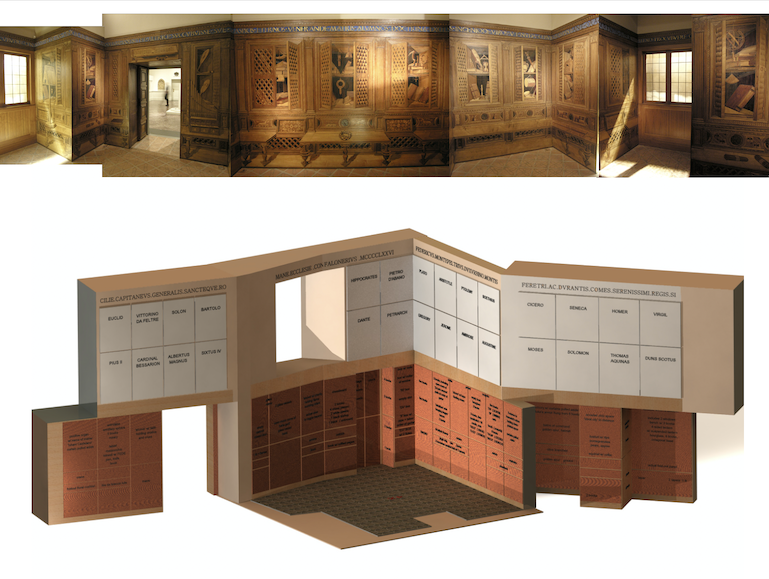
The Reading Chamber
Writing -
ARCHITECTURE & MEMORY
Writing -
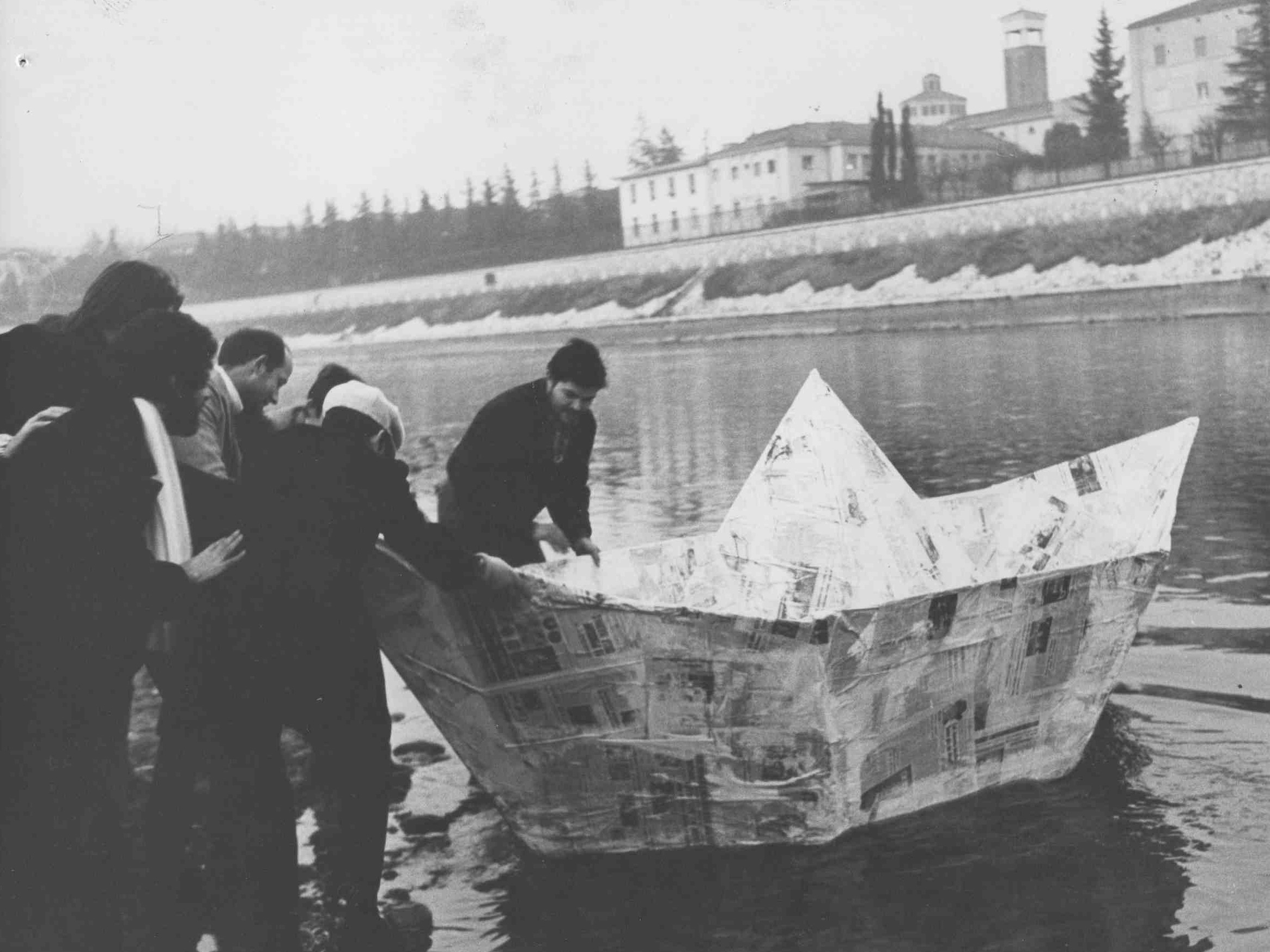
The Giuseppe Zambonini Archive
Interplay -
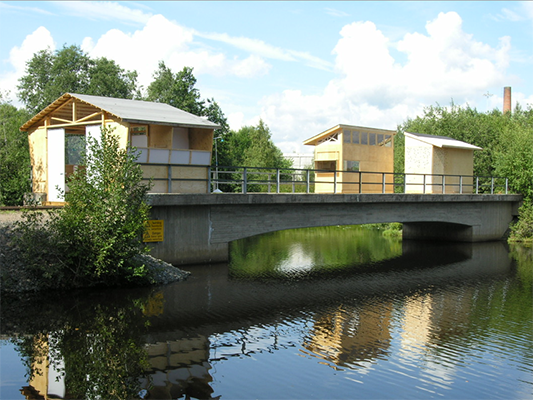
Little Houses on the Black River
Teaching -
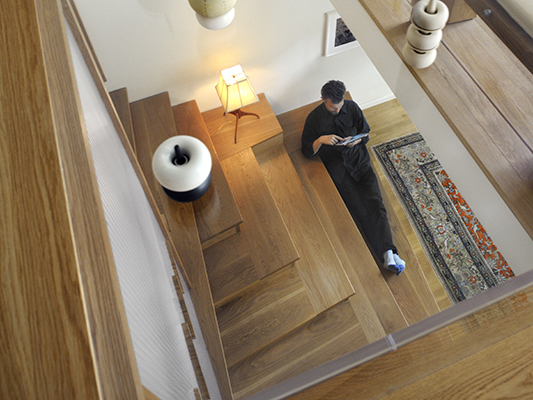
Milstein Residence
Design -
Zambonini Memorial Stone
Design -
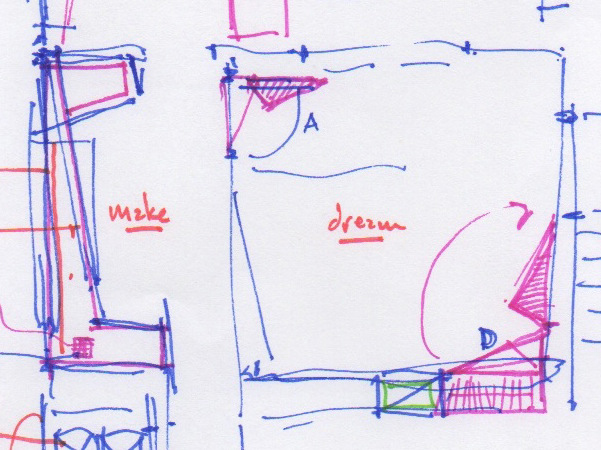
O’Connor Residence
Design -
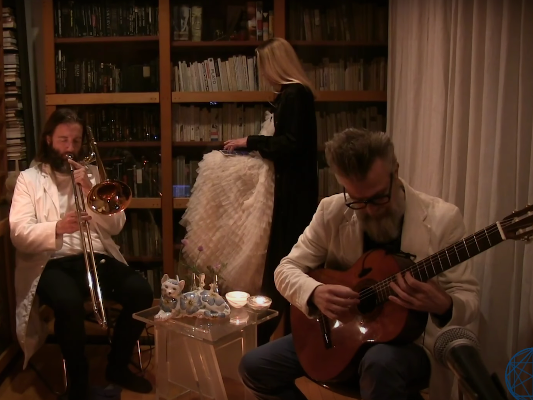
Bourdon 60Hz/50Hz Series
Interplay -

Mnemonics and Pneumatics
Writing -
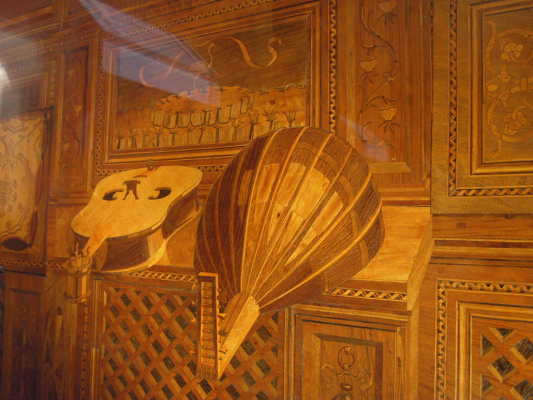
On Ornament and the Mind
Writing -
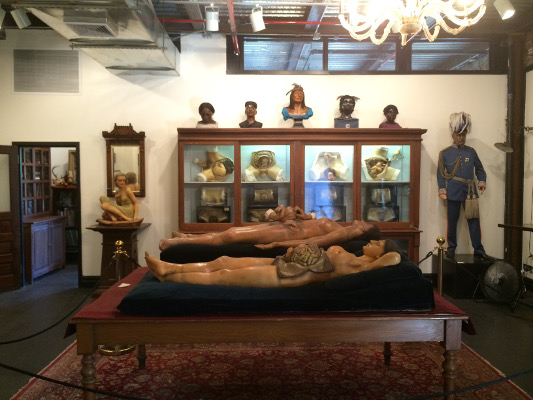
That Dark Cabinet
Writing -
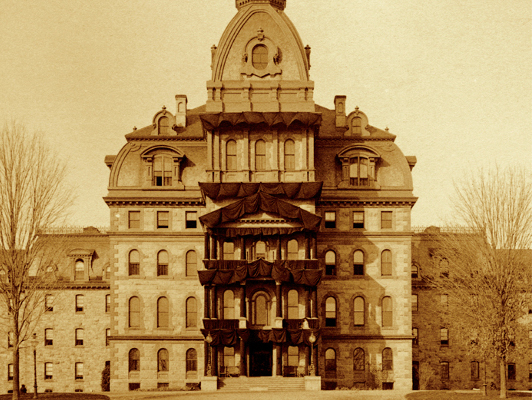
Greystone Park State Hospital
Writing -
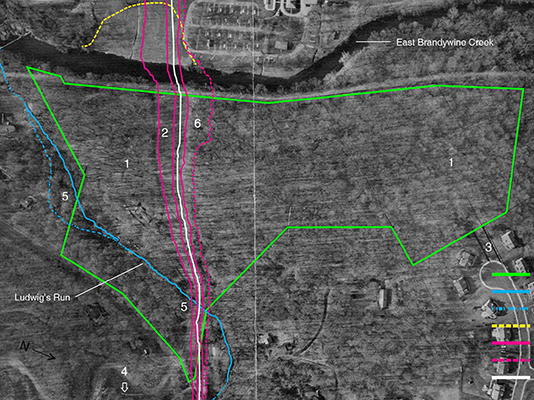
Hawk Circle
Design -
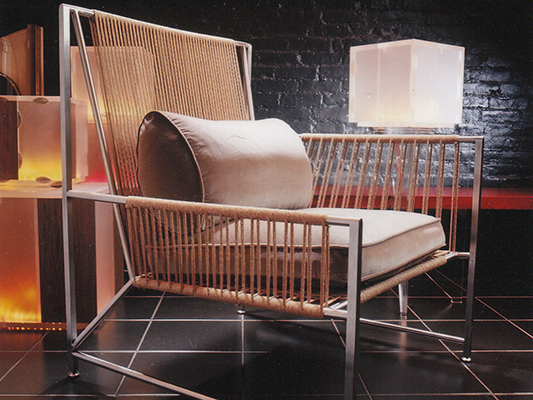
Studiolo Furniture
Design -
Performances
Interplay -
Rhetoric and Architecture
Writing -

On Water and Development
Writing -
Number is Form and Form is Number
Writing -
Upstream/Downstream
Writing -
Earlids
Interplay -
Veils and Velocities
Writing -

Speculations on Series Through Quattrocento Dust
Writing -
Piero’s Daydream
Writing -
Future Anterior Review
Writing -
Chainmaking
Writing -
Nexus Network Journal
Writing